THE SHORT ANSWER
A confectionery flavour brief should identify the sweet format, base, process, sensory target and comparison method. Keep flavour development connected to the actual product, rather than assuming one fruit direction will perform identically in every confectionery base.
Why is a confectionery brief more than a flavour name?
A request for strawberry can describe many targets. One brand may want a sharp, recognisable opening. Another wants a rounded character that sits quietly within a more complex sweet. Describe the experience you want as well as the name.
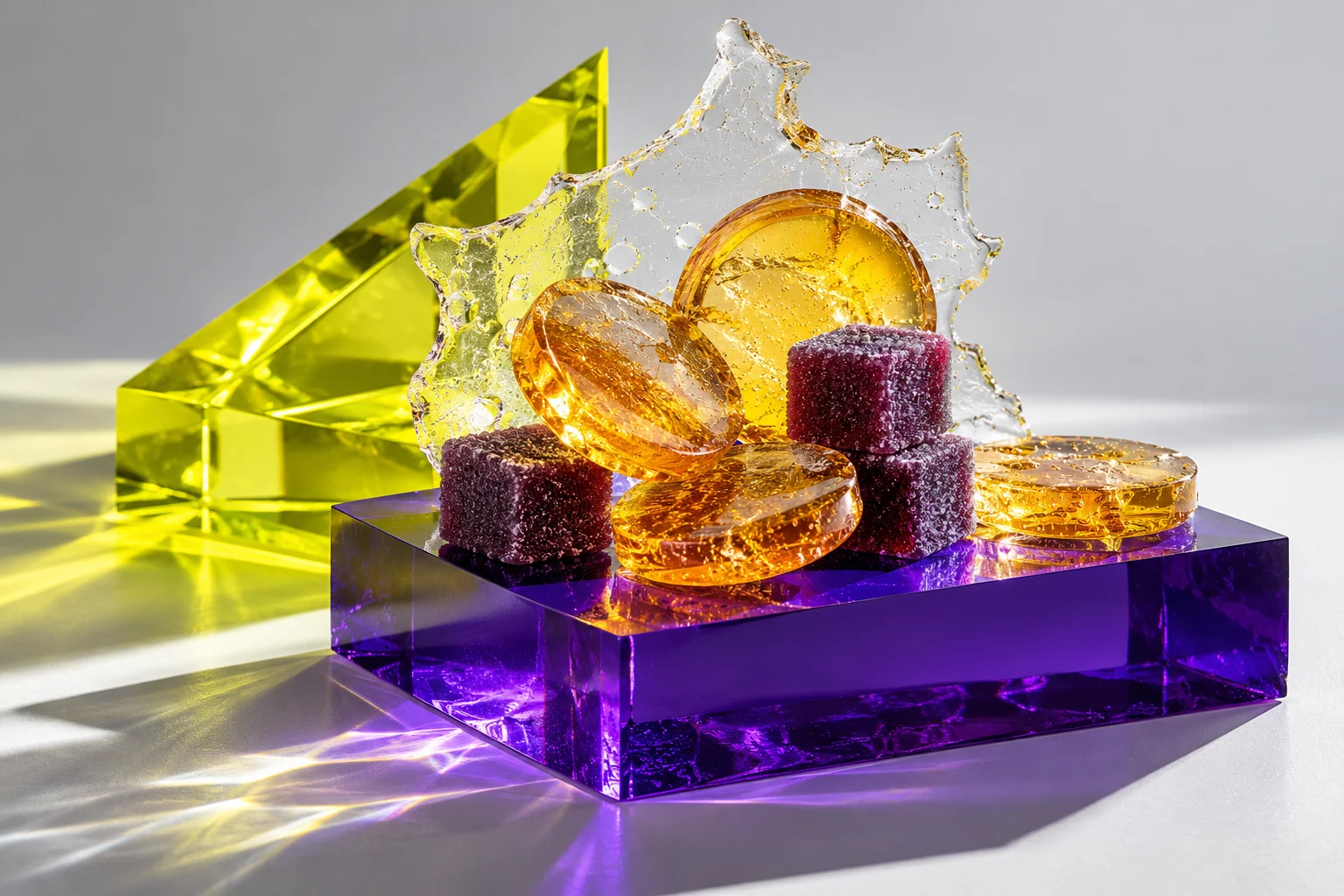
Identify what you are making: a hard sweet, gummy, chew, filling or another format. Share the base and relevant processing details with the developer. A promising direction in one preparation should not be treated as a result for every product that happens to use the same flavour name.
Which production details should we share?
Bring the actual process into the conversation, including when ingredients are introduced, any relevant holding stages and the intended packaging and storage. Supply the values your manufacturing team has agreed rather than guessing. Identify which parts of the process remain under development.
If the base team changes its recipe, create a new version record and tell the flavour developer. Otherwise feedback from two different products can look like disagreement about a single flavour. Version control is an unexpectedly useful creative tool.
How do we turn the idea into a practical brief?
The worksheet below describes information to collect. It does not prescribe a recipe, process setting or inclusion level.
| Area | Question for the brief |
|---|---|
| Format | Which confectionery product are we developing? |
| Base | What is fixed and what may still change? |
| Process | How will the flavour encounter the manufacturing process? |
| Sensory direction | What should happen at the start, middle and finish? |
| Requirements | Which market, declarations and restrictions apply? |
| Comparison | Which prepared version and reference will we evaluate? |
Should we ask for more sweetness or more flavour?
Explain the observation first. “The fruit character disappears before the finish” gives a different direction from “the product is not sweet enough”. Separate the flavour impression from other aspects of the product where you can, and discuss uncertain descriptions with the development team.
A useful illustrative note might read: “Keep the berry opening. We want the red-fruit character to remain clearer through the middle, without extending the finish.” That is a fictional example of feedback wording, not a report from a FÜNK test or a promise that a particular revision will achieve it.
How should sample rounds be evaluated?
Use the agreed preparation and handling instructions, label versions clearly and keep records beside the samples. Ask evaluators to make individual notes before a group conversation. The purpose of the round should be clear: exploring a direction, comparing a revision or another defined question.
Any formal sensory study needs an appropriate method and expertise. Informal team preference does not become representative consumer evidence because it was written in a spreadsheet. Our sample-evaluation guide explains the difference between an observation and a requested change.
What is the next step?
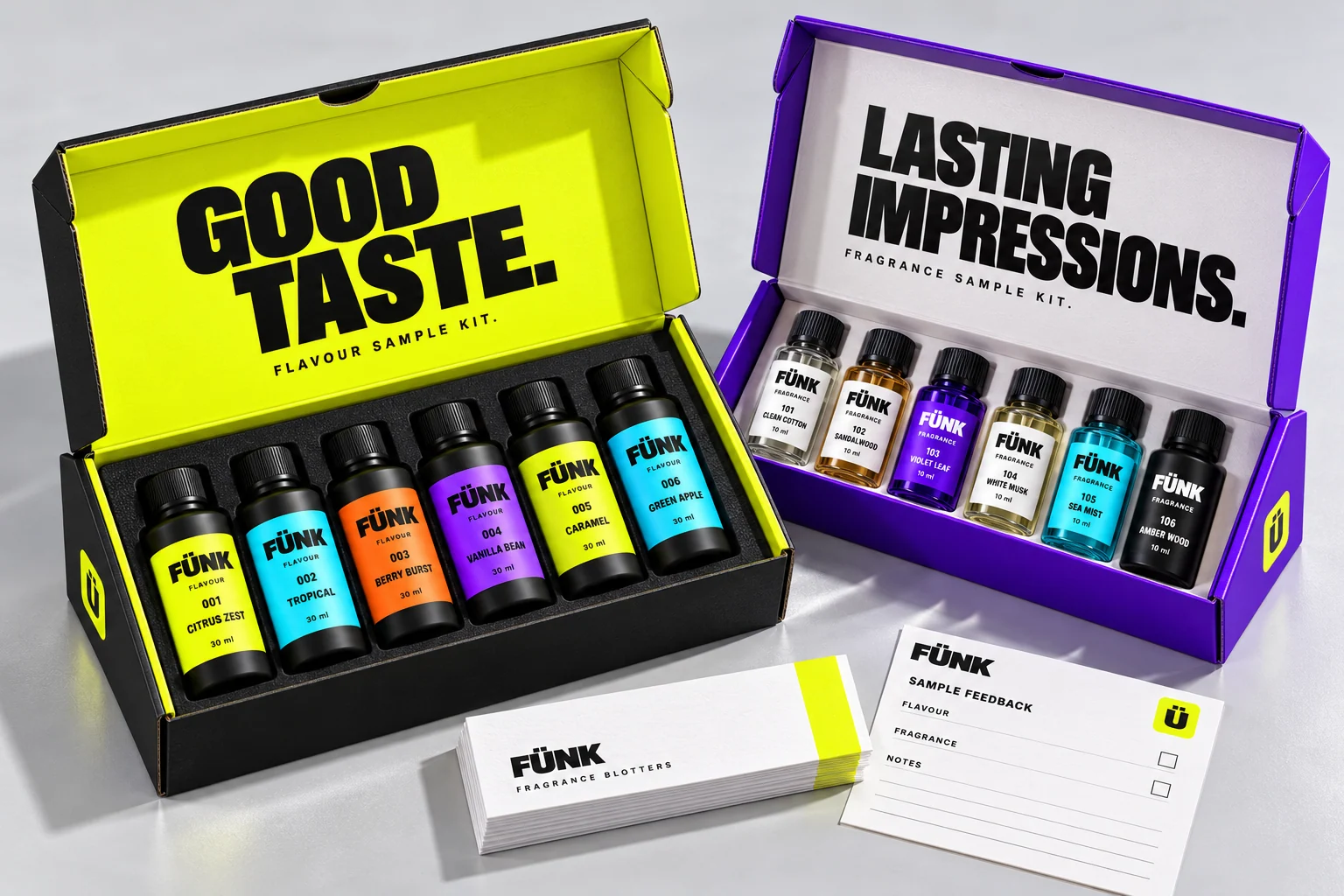
Use the confectionery flavour page for the application and the flavour brief guide for the working record. Give the developer your constraints as well as the exciting part of the idea.
Send a project enquiry with the format, target and information available. Good taste gets easier to discuss when everyone knows which sweet is on the table.
Sources & further reading
General guidance for project planning. Technical requirements depend on the actual formulation, intended use and market.